
Quick Answer
Spongia magica plerumque cum aqua et levi pressione adhibenda est. Spongiam madefac, aquam superfluam exprime, et leniter aream maculatam frica potius quam vehementer defrica. Spongiae magicae e spuma melaminica factae plerumque aptae sunt superficiebus durabilibus, ut tegulis ceramicis, lavacris, vasis sanitariis ceramicis, quibusdam areis chalybis inoxidabilis, solis calceorum, et quibusdam parietibus pictis. Attamen, plerumque vitandae sunt in pictura nitida, pictura autocinetica, corio, tactilibus tegumentis, lapide naturali polito, et aliis superficiebus delicatis vel facile scalpendis. Cum superficiem ignotam purgas, spongiam semper in parva area occulta primum experire.
Quid est spongia magica?
Spongia magica, vulgo etiam spongia magica ad delendum vel spongia melaminica purganda appellata, ex spuma melaminica cellulis apertis facta est.
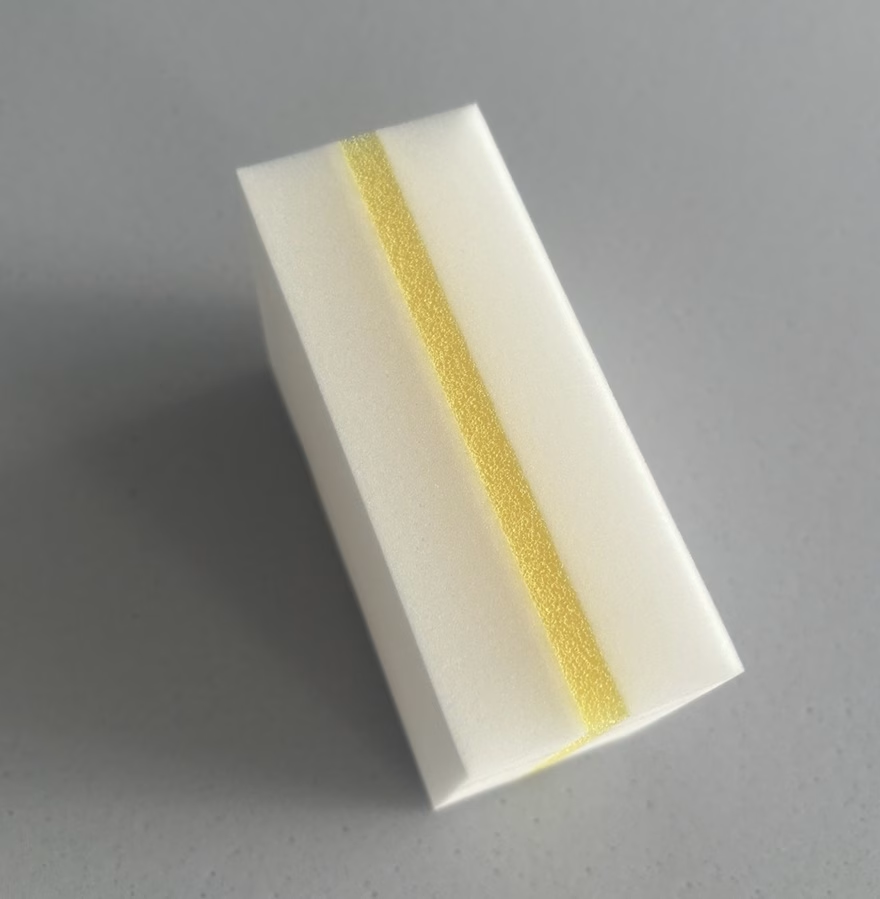
Dissimilis spongiae culinariae vulgari, quae aquam praecipue absorbet vel detergentem per superficiem portat, spuma melaminae structuram porosam tridimensionalem subtilissimam habet.
Haec structura, leviter contra superficiem fricata, actionem mechanicam lenem purgationis praebet quae adiuvare potest ad removendum:
- Notae attritionis
- Vestigia calceorum
- fingerprints
- Notae cerarum
- Residua saponis
- Sordes superficiales
- Maculae domesticae quaedam pertinaces
In multis applicationibus, sola aqua requiritur.
Attamen, idem mechanismus purgationis micro-abrasivus qui spongiam magicam efficax reddit, etiam caute adhibendam esse significat.
Scire igitur quomodo spongia magica tuto uti aeque interest ac scire quid purgare possit.

Quomodo Spongia Magica Tute Utaris
Spongia magica recte uti simplex est, sed paucae minutiae periculum laedendi superficiem insigniter minuere possunt.
Gradus 1: Superficiem Primum Inspice
Ante purgationem, determina utrum superficies sit dura, durabilis, obducta, polita, picta, an abrasioni obnoxia.
Si incertus es, spongiam in parva parte occulta experire.
Hoc praecipue magni momenti est ad:
- pictosque superficiebus
- Metallum obductum
- Superficies expolitum
- Decorative finiat
- Supellex vetustior
- Tegumenta superficialia ignota
Gradus II: Spongiam Magicam Humecta
Spongiam melaminicam aqua pura macera.
Aqua spumam emollit et eam melius superficiei accommodare permittit.
Gradus II: Aquam Superfluam Exprime
Spongiam leniter comprime donec humida maneat sed iam non stillet.
Cave ne spongiam vehementer torques, nam hoc structuram internam spumae laedere potest.
Gradus IV: Pressura Levis Utere
Locum maculatum leniter frica.
Cum minima pressione incipe et tantum si opus sit auge.
Spongia magica non solet esse vehementi fricatione egens.
Nimia pressio potest:
- Spongiam celerius gere
- Fractionem spumae auge
- Tegumenta superficialia removere
- Nitor minuendus
- Notas abrasionis visibiles relinquere
Plerisque maculis, plures lenes transitus meliores sunt quam una vehemens fricatio.
Gradus V: Superficiem Deterge
Post purgationem, panno microfibrae humido vel panno mundo utere ad residua laxa removenda.
Si opus est, superficiem postea sicca.
Quas superficies spongia magica purgare potes?
Spongiae magicae in superficiebus relative duris et durabilibus optime operantur.
Attamen, tegumenta superficialia inter fabricatores insigniter variant, ergo probationes localizatae adhuc commendantur.
- Ceramic Tiles
Tegulae ceramicae inter usus frequentissimos spongiarum melaminicarum purgandarum numerantur.
Adiuvare possunt ad removendum:
- lutum
- Maculae saponis
- Vestigia calceorum
- fingerprints
- Sordes superficiales
Spongiae magicae praecipue utiles sunt circa culinas, balnea, et areas vestibulorum.
Pro tegulis valde politarum vel specialiter obductis, primum experire.
- Lavacra Ceramica et Sanitaria
Spuma melaminica utilis esse potest ad purgandum:
- occidit astro ceramic
- Lavacra
- sentinis
- Instrumenta balnearia ceramica
Adiuvare potest ad removendas maculas aquae, residua saponis, et sordes superficiales sine magnis quantitatibus chemicorum purgantium.
- Soleae Calceorum et Mediae Soleae Gummi
Una ex applicationibus spongiarum magicarum in dies magis popularibus est purgatio calceorum athleticorum et exercitatorum.
Praecipue efficaces sunt in:
- Solae albae e gummi
- Eva midsoles
- Areae digitorum gummi
- Sidewalls
Spongiam leviter madefac et locum sordidum lenibus ictibus munda.
Maximus
Noli spongiam in toto calceo statim adhibere.
Corium, corium obductum, ornamenta picta, insignia impressa, corium alpinum, et textilia delicata aliter reagere possunt.
Ad purgandas calceorum athleticorum, spongiae magicae plerumque aptissimae sunt ad areas solearum gummearum et syntheticarum durabilium.
- Notae Parvae in Parietibus Pictis
Spongiae magicae saepe adhibentur ad removendum:
- fingerprints
- Striae calceorum
- Notae graphii
- Notae leves cerae
- Sordes murales generales
Attamen parietes picti maiorem cautionem requirunt.
Pigmentum murale planum vel opacum interdum sensibilius esse potest quam expectatum, dum fricatio repetita maculam nitentem visibilem producere vel pigmentum aliquod removere potest.
Semper partem occultam primum experire et pressionem levissimam adhibe.
- Chalybs Inoxidabilis — Cum Cautione
Spongia magica interdum in maculis localibus in superficiebus chalybis inoxidabilis adhiberi potest.
Exempla idonea quaedam comprehendere possunt:
- culina submersa
- Instrumenta utilitaria
- Superficies laboris ex chalybe inoxidabili
- Instrumenta sine delicatis ornatibus
Attamen chalybs inoxidabilis perpolitus, politus, obductus, vel speculariter ornatus abrasioni sensibilis esse potest.
Si chalybs inoxidabilis directionem fibrae conspicuam habet, leniter secundum fibram potius quam trans fibram munda.
Semper primum experimentum in parva area perage.
Superficies quas Spongia Magica Purgare Vitare Debes
Quia spuma melaminae partim per lenem abrasionem physicam operatur, non ita habenda est ut apta ad omnem materiam.
Nonnullae superficies splendorem amittere, scalpi, aut detrimentum permanens in tunica pati possunt.
Superficies sequentes plerumque cautionem peculiarem requirunt vel vitandae sunt.
- Superficies Pictae Nitidae
Spongias magicas aggressive in pictura nitida vita.
Actio microabrasiva paulatim splendorem minuere aut maculam hebetem creare potest.
Exempla includit:
- Supellex nitida
- Armaria laccata
- Finitiones pianorum
- Tabulae ornatae nitidae
- Superficies domesticae obductae
Pro his applicationibus, pannus mollis microfibrae et purgator specialiter ad tegumentum designatus plerumque tutiores sunt.
- Pigmentum Autocineticum
Spongia magica plerumque in pictura exteriori autocineti non adhibenda est.
Superficies vehiculorum hodiernorum saepe plures stratas continent, inter quas:
- Pigmentum basis
- patet lorica
- Tutela coatings
- Cera vel obsignatio
Spuma melaminae has stratas hebetare vel abradere potest.
Ad purgandum corpus autocineti, utere potius productis dedicatis ad lavandum et extensum autocinetorum.
- Leather
Spongias magicas in corio vitare potes, nisi fabricator corii modum specialiter probaverit.
Corium haec continere potest:
- Hypericum perforatum
- Tutela coatings
- unguento delibuti
- Superficies finiatur
Purgatio abrasiva has stratas removere potest et aream perpetuo leviorem vel asperiorem relinquere.
Hoc ad res tales pertinet:
- Leather calceamenta,
- Sofae coriaceae
- sacculos,
- Sedes coriaceas autocineticas
- Ornamenta coriacea
- Tactilia et Ostentationes Electronicae
Spongia magica ne adhibeatur in:
- Mauris quis screens
- Tabulam screens
- Ostentationes computatrales portatiles
- Touchscreen control tabulata
- Televisionem screens
- Ostentationes camerarum
Hae superficies possunt continere tegumenta delicata anti-fulgorem, oleophobica, vel protectiva quae abrasione laedi possunt.
Panno microfibrae idoneo et methodo purgandi rebus electronicis tuta utere.
- Natural Stone
Spongias magicas in lapide naturali delicato vel polito adhibere evita, nisi specialiter probatum sit.
Exempla includit:
- Marmor
- saxi calcis
- travertine
- polita granite
- Lapis artificiosus cum tegumentis specialibus
Superficies politae, si crebra purgatione abrasiva subiciuntur, splendorem amittere possunt.
Lapis naturalis etiam obturamenta habere potest quae laedi non debent.
Purgatorio lapidi tuto, pro materia commendato, utere.
- Superficies Facile Scalpuntur vel Delicatae
Regula generali, spongias magicas in ulla superficie ubi abrasio tenuis damnum visibile creare potest, vitare debes.
Exempla haec esse possunt:
- Acrylic
- plexiglass
- Plasticum politum
- Plasticum nitidum
- Decorative coatings
- Tegumenta non adhaerentia
- Ornamenta antiqua
- Superficies metallicae molles
- Laminae nitidae
Si dubitas, modum purgandi minus abrasivum elige.
Superficies Tutae et Periculosae Uno Obtutu
| Superficiem | Commendationem | Notes |
| Ceramic laterem | Generaliter aptum | Experimenta politurae |
| Lavacrum ceramicum | Generaliter aptum | Levi pressione utere |
| Calcei sola gummi | Generaliter aptum | Vitandae sunt partes superiores calceorum delicatae |
| Paries pictus | Cum usus consilio, | Primum experire, praesertim picturam opacam. |
| Stainless chalybs | Cum usus consilio, | Granum sequere et stratum experire |
| Summus glossa pingere | Vitare | Splendorem fortasse minuet |
| Automotive pingere | Vitare | Fortasse stratum perlucidum afficit |
| Leather | Vitare | Potest pigmentum vel superficiem removere |
| touchscreen | Vitare | Tegumenta superficialia laedere potest |
| naturalis lapis | Solet vitare | Polituram vel obsignationem afficere potest |
| Acrylicum / Plexiglassum | Vitare | Facile scalpitur |
| Non membrana dignitatis lignum unum, | Vitare | Tegumentum functionale laedere potest |
Cur Spongia Magica Superficies Quasdam Laedere Potest?
Responsum in structura spumae melaminae latet.
Sub amplificatione, spuma melaminica curata retem interconnexam subtilissimam continet.
Cum haec structura contra superficiem fricatur, effectum abrasivum lenem creat.
Hoc adiuvat explicando cur spongia magica maculas delere possit quae difficile fortasse removeri possunt spongia molli communi.
Sed effectus purgationis semper aequilibrium inter haec requirit:
Vis purgandi
et
resistentia superficialis
Tegula ceramica durabilis hunc contactum bene tolerare potest.
Obductio nitida, contra, abrasionem microscopicam ut hebetationem visibilem ostendere potest.
Ob hanc causam:
Actio fricationis fortior non necessario meliorem purgationem significat.
Pressio recta et delectus superficiei recta necessariae sunt.
Opusne tibi est chemicis purgandis cum spongia magica?
In multis cotidianis purgationis usibus, aqua sola sufficit.
Haec est una de causis cur producta spumae melaminae purgatoriae populares sint in applicationibus ubi usores consumptionem detergentis superfluam reducere volunt.
Pro adipe tamen graviore aut contaminatione peculiari, medicamentum purgatorium idoneum adhuc requiri potest.
Antequam spongiam magicam cum purgatoribus chemicis coniungas, utrumque inspice:
- Utrum purgator cum superficie congruat.
- Utrum purgator cum spongia congruat.
Noli existimare chemica fortiora sponte eventus purgationis emendare.
Num chirothecas gerere debes cum spongia magica uteris?
Ad normalem purgationem domesticam aqua, multi utentes spongias melaminicas directe tractant.
Attamen, chirothecae adhuc utiles esse possunt cum:
- Purgatio per longum tempus
- Laborans cum detergentibus
- Purgatio locorum pinguium vel contaminatorum
- Cutem sensibilem habes
Vitanda est diuturna et acrioris frictio directe cum cute, quia spongia melaminae destinata est ad superficies abradendas potius quam ad curam personalem ut spongia.
Num spongia magica sicca adhiberi potest?
Ad pleraque purganda, spongiam ante usum madefacere praestat.
Spongia humida:
- Superficiei melius conformatur
- Contactum purgationis leniorem producit
- Detrimentum spumae inutile minuere potest
- Facilius reddit remotionem sordium laxarum
Purgatio sicca frictionem et detritionem spumae augere potest.
Instructiones cum singulis productis datas sequere.
Quomodo Spongiam Magicam Diutius Durare Facere
Spuma melaminica est materia purgatoria consumibilis.
Aliqua detritio inter purgationem normalis est, quia spuma paulatim eroditur dum in superficies contaminatas agit.
Attamen recta ars firmitatem augere potest.
Ad vitam spongiae extendendam:
- Spongiam ante usum madefac
- Noli id vehementer torquere
- Levi pressione utere
- Purgatio pluribus lenibus iactibus
- Utere sola parte spongiae necessaria
- Vitare acuti oras
- Sordes inclusas, cum necesse est, ablue
In productis purgationis commercialibus, densitas spongiae, gradus compressionis, dimensiones, et formula spumae etiam sensum purgationis et diuturnitatem afficere possunt.
Spuma Melaminae Standard contra Spumam Compressam
Non omnes spongiae magicae easdem prorsus proprietates physicas habent.
Spumae melaminicae variis modis designari possunt:
- Gradus densitatis
- Cogo rationes
- crassitudines eas
- Structurae cellularum
- shapes
- Strata laminata
Spuma melaminae communis levissima est et efficax actionem purgandi praebet.
Spuma melaminae compressa vel densitatis maioris sensum manuum diversum praebere et diuturnitatem meliorem ad certas purgationis applicationes praebere potest.
Hoc artem productorum imprimis magni momenti reddit ad applicationes tales ut:
- Purgatio calceorum athleticorum
- Lorem purgatio
- Purgatio interioris autocineti
- Notae purgationis domesticae
- Producta purgatoria privatae notae
- Systema pannorum purgandorum iterum adhibendorum
Apud SINOYQX , spuma melaminica in varias dimensiones, densitates, structuras compressas, et in productos purgatorios converti potest secundum usum destinatum.
Index Salutis Ante Usum Spongiae Magicae
Antequam superficiem ignotam purges, his quattuor regulis obsequere:
- Test Primum
Spongiam in loco occulto experire.
- Leniter Incipe
Minimam pressionem primum adhibe.
- Reprehendo perfice
Statim siste si animadvertis:
- Amissio splendoris
- Color translationis
- Superficiem scalpendi
- Remotio tegumenti
- Texturae mutationes
- Instructiones Fabricatoris Superficiei Sequere
Cum superficies pretiosa, delicata, obducta, vel professionaliter polita est, consilium de purgatione a fabricatore dato prioritatem habere debet.
Frequenter Interrogata De quaestionibus
Estne spongia magica tuta omnibus superficiebus?
No.
Spongiae magicae vim purgandi leniter abrasivam habent nec ad omnem materiam aptae sunt.
Generaliter vitanda sunt in superficiebus delicatis, nitentibus, politis, obductis, vel facile scalpendis.
Superficiem ignotam semper primum experire.
Num spongia magica in parietibus pictis uti potes?
Ita, sed caute.
Spongiae magicae maculas parvas e multis parietibus pictis removere possunt, sed nimia frictio superficiem picturae afficere potest.
Colores opachi et plani praecipue sensibiles esse possunt.
In area occulta experire antequam partem conspicuam purges.
Num spongiam magicam in chalybe inoxidabili uti potes?
Nonnullis superficiebus chalybis inoxidabilis aptum esse potest, sed cautio requiritur.
Chalybs inoxidabilis perpolitus, politus, speculariter elaboratus, vel obductus abrasionem ostendere potest.
Semper primum experire et, ubi pertinet, secundum fibras textiles deterge.
Num spongia magica calceos purgare potest?
Ita, praesertim solae et mediae solae gummeae calceorum athleticorum et exercitationum sportivarum.
Vitanda est eius applicationes sponte ad corium, alutas, imagines impressas, aut calceos delicate obductos.
Possumne spongiam magicam in curru meo uti?
Spongia magica plerumque in pictura exteriori autocinetorum non adhibenda est, quia actio eius abrasiva stratum perlucidum aut splendorem afficere potest.
Utere potius productis purgationis autocinetorum dedicatis.
Num spongiam magicam in vitro uti potes?
Pendet a genere vitri et quibuslibet tegumentis ei adhibitis.
Vitrum planum purgationem lenem tolerare potest, sed vitrum obductum, tinctum, tractatum, vel speciale potest esse sensibilius.
Primum experire et consilia fabricatoris vitri sequere.
Num spongiam magicam in marmore uti potes?
Spongia magica in marmore polito plerumque vitanda est.
Spuma melaminae superficiem politam vel obturamentum lapidis afficere potest.
Detergente utere, quod ad lapides naturales specialiter destinatum est.
Spongiae magicae continentne chemica purgatoria?
Actio purgans spumae melaminae communis praecipue ex structura eius porosa tenui potius quam ex detergente intra spumam contento oritur.
Attamen, producta venalia perfecta differre possunt, et quaedam ingredientia addita includere possunt.
Semper informationes singulorum productorum inspice.
Cur spongia magica minor fit cum ea utor?
Hoc est normalis.
Spuma melaminae paulatim deteritur, dum structura eius tenuis contaminationem a superficie mechanice removet.
Frequentia detritionis a factoribus ut:
- superficiem asperitas
- Pressio applicata
- Genus maculae
- Spuma density
- Spongia crassitudine
- Ars purgationis
Eligenda Spuma Melaminae Recta ad Purganda
Pro purgationis notis et fabricatoribus OEM, nulla est una spongiae magicae specificatio quae apta sit ad omnem usum.
Spongia domestica ad parietes purgandos fortasse diversas proprietates physicas requirit a spongia purganda calceorum athleticorum vel a panno purgatorio commerciali.
Key factores aestimandi includit:
- Spuma density
- ratio CONDENSATIO
- infectum vetustatem
- elit perficientur
- Spongia crassitudine
- Dimensiones secandi
- Laminatio superficialis
- Forma packaging
- Superficies purganda destinata
SINOYQX materias spumae melaminae et solutiones spongiae ad usum aptatas ad varias applicationes purgationis praebet.
Optiones processus praesto possunt includere:
- Spuma melaminica ordinaria
- Spuma melaminica compressa
- Densitas consuetudinaria
- Consuetudo crassitudine
- Consuetudo sectionis
- Formae speciales
- Spongiae purgatoriae laminatae
- Producta privatae notae/OEM
- Involucrum venditionis ad usum aptatum
finalis Cogitata
Discere quomodo spongia magica tuto uti ad unum principium magni momenti intellegendum reducitur:
Materiam purgatricem aptam in superficie apta cum pressione apta adhibe.
Spongiae magicae valde efficaces esse possunt in superficiebus durabilibus, ut tegulis fictilibus, lavacris, solis calceorum, et quibusdam superficiebus domesticis.
Quia vero spuma melaminae lenem abrasionem mechanicam praebet, vitanda est vel diligenter probanda in pictura nitida, corio, pictura autocinetica, tactilibus tegumentis, lapide naturali polito, aliisque superficiebus delicatis.
In dubio;
Primum in area occulta experire, aqua utere, levi pressione incipe, et desine si species superficiei mutatur.
De SINGYQX
SINOYQX est fabricator et praebitor materiarum spumae melaminicae et productorum spumae melaminicae conversae ad purgandum, acousticum, insulationem thermalem, filtrationem, et alias applicationes industriales.
Fabricatoribus productorum purgationis et notis privatis, SINOYQX evolutionem spongiarum melaminicarum ad singulorum necessitates aptatarum sustinet, densitates, gradus compressionis, dimensiones, formas, laminationes, et formas involucrorum variarum comprehendens.
Applications includit:
Spongiae purgatoriae magicae, spongiae purgatoriae calceorum athleticorum, panni purgatorii domestici, producta purgatoria professionalia, producta spumae melaminicae ad usum fabricata, et solutiones purgatoriae OEM/private label.